Multi-disciplinary team approach
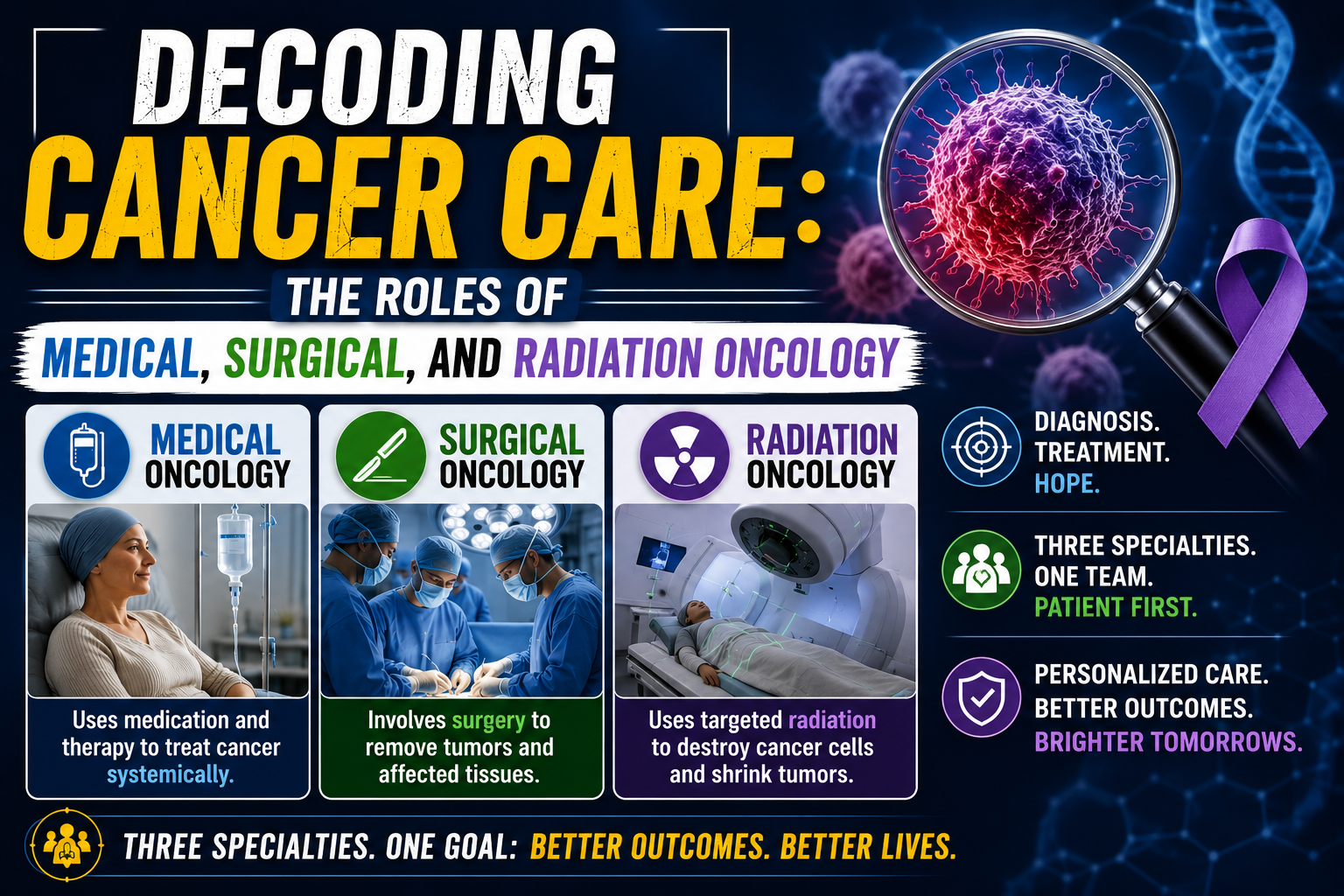
Cancer is not a single but a complex condition that requires a combination of expertise, technology, and compassion. Modern oncology relies on three specialized pillars Medical Oncology, Surgical Oncology, and Radiation Oncology that work together via tumors board to design comprehensive and personalized treatment plans for every patient.
Medical Oncology – Power of Medicines in Cancer Treatment
Medical oncology forms the backbone of systemic cancer care. It involves treatments that circulate through the bloodstream to reach cancer cells anywhere in the body. These include chemotherapy, targeted therapy, immunotherapy, and hormone therapy.
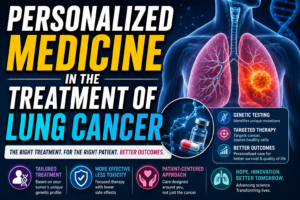
Today’s medical oncologist’s use advanced diagnostic tools such as next generation sequencing to identify the exact genetic and molecular nature of a tumor. This precision enables tailor-made treatments that are more effective and better tolerated, improving both survival and quality of life.
Surgical Oncology – Where Precision Meets Purpose
The scope of surgical oncology spans from achieving cure to symptom palliation. It focuses on the removal of tumors and affected tissues to achieve disease control. It is often the first choice among treatment options, particularly in early stage cancers.
Thanks to innovations like robotic and minimally invasive surgeries, patients now experience smaller incisions, faster healing, and better outcomes. Surgical oncologists also play a vital role in confirming the diagnosis and assessing the stage of the disease, which guides the next steps in therapy.
Radiation Oncology – Targeted Technology against Tumors
Radiation oncology harnesses the power of high-energy beams to destroy or shrink cancer cells. This treatment is highly targeted; ensuring that only the tumor area is affected while nearby healthy tissue remains protected.
Modern techniques such as IMRT (Intensity-Modulated Radiation Therapy), IGRT (Image-Guided Radiation Therapy), and SRS (Stereotactic Radiosurgery) have made radiation therapy safer, more precise, and highly effective in reducing cancer recurrence.
The Strength of a Unified Approach
The true success of cancer treatment lies in collaboration. Medical, surgical, and radiation oncologists along with pathologist, radiologist, psychologist and medical social worker work together in a multidisciplinary setting to design a holistic plan , one that not only treats the disease but also supports emotional well-being and long-term recovery.
With a focus on early detection, advanced treatment options, compassionate and affordable care, today’s oncology teams are transforming cancer from a life-threatening condition into a manageable disease giving patients renewed hope and a chance to live life fully.